My first 4Culture storytelling workshop starts in just over a week. I’ll work with storytellers at the Greenwood Senior Center for five weeks to creatively transform experiences into fairy tales. I also had a great meeting with Hugo House about hosting the second workshop with them during introspective season this Autumn. I’ll have more on both adventures in the coming months.
A story slant workshop is a method to re-create personal experiences and craft new stories. We use imaginative embellishment to de-fang negative experiences, dig deeper, engage context and playfulness to construct tales other people can connect with.
I started this work over a decade ago to provide alternative myths to live by. The idea came from my teenage reading of Riane Eisler’s The Chalice & The Blade. Our need for replacement stories for the often toxic cultural narratives we’re handed has not changed.
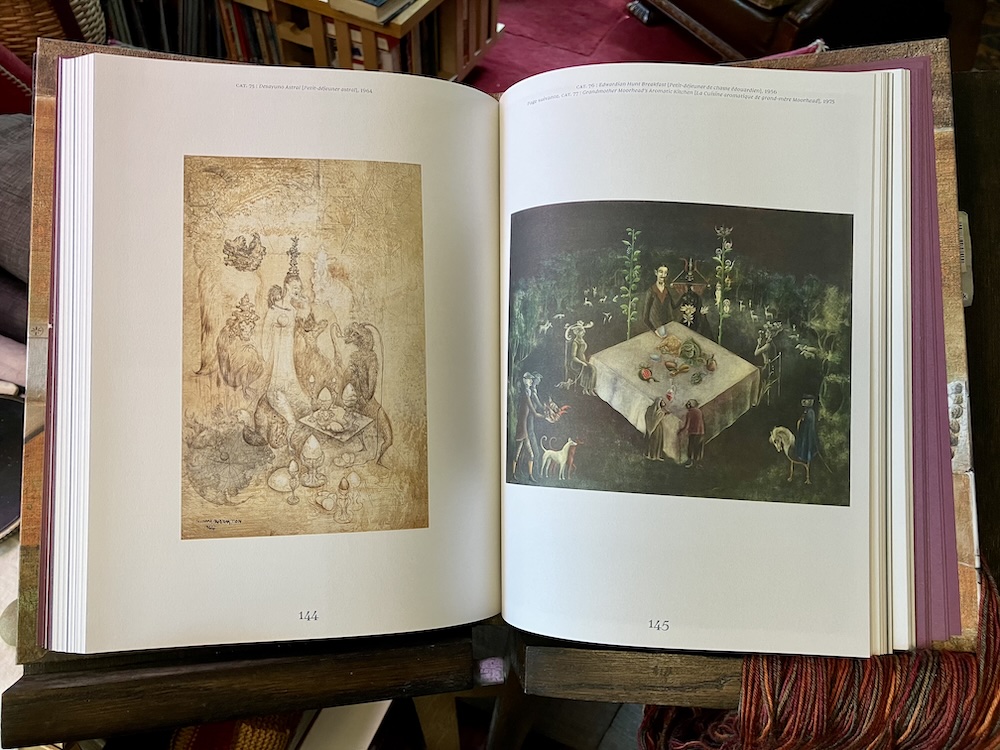
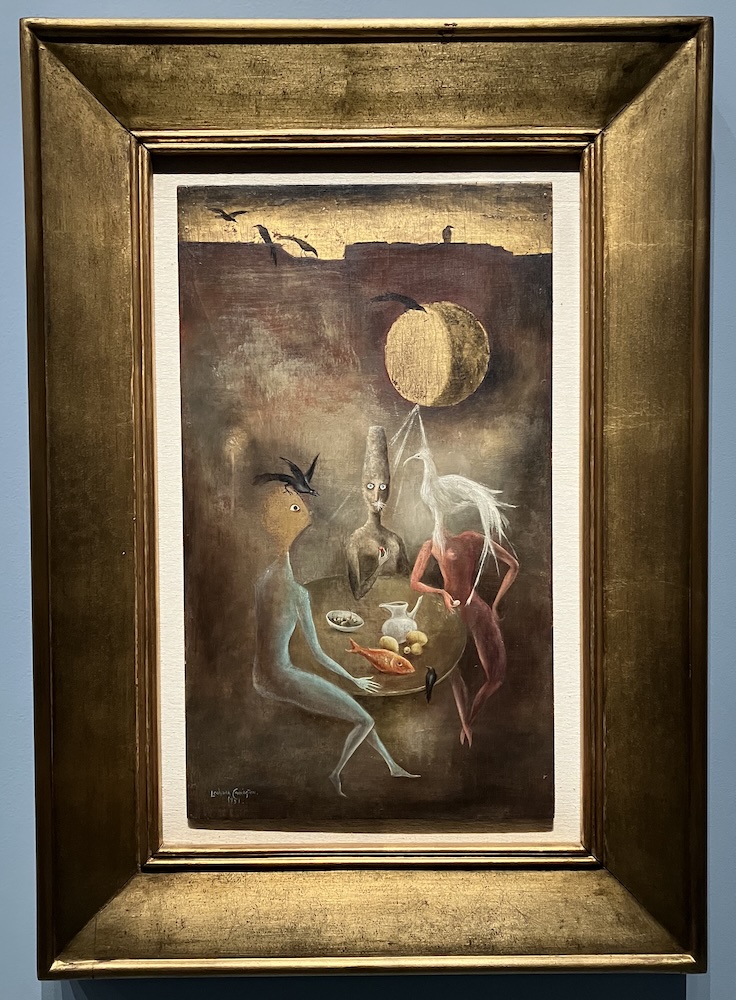
I get excited every time I see authors and artists engaging new mythology. So, I was thrilled at the Leonora Carrington exhibition in Paris at the Musée du Luxembourg last month. While many pieces appear to reference Celtic legends Carrington learned from her maternal line, she also forges a pantheon of her own.
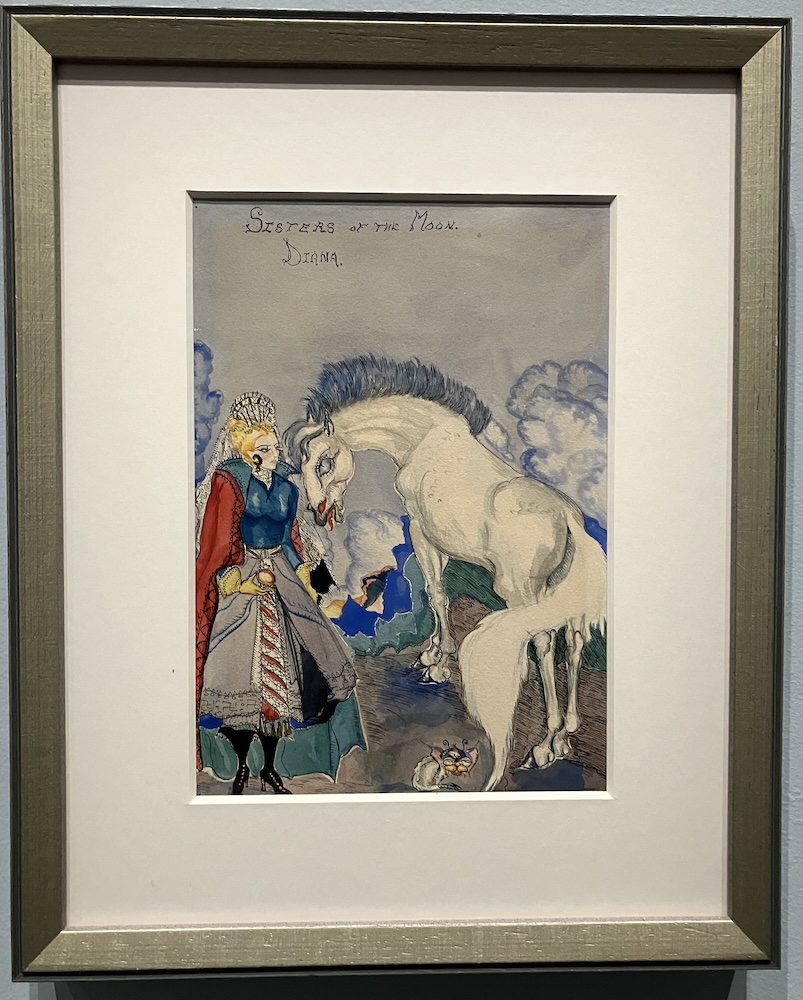
In the Luxembourg show catalog an essay called, “Leonora Carrington and the New Myth” by Kristoffer Noheden, addressed the imaginative experiments of the Surrealists in the 1930s and 40s. They intended to form a new collective myth to counteract the worldwide upheaval of the time. Noheden writes: “The Surrealists believed that the myth could contribute to the emancipation of mankind, offer new forms of social cohesion, constitute an alternative to instrumental rationalism and also repair a world broken by fascism and by war.”
We still have this opportunity. We still have this imperative.
inspiration this month: Books with Pictures!
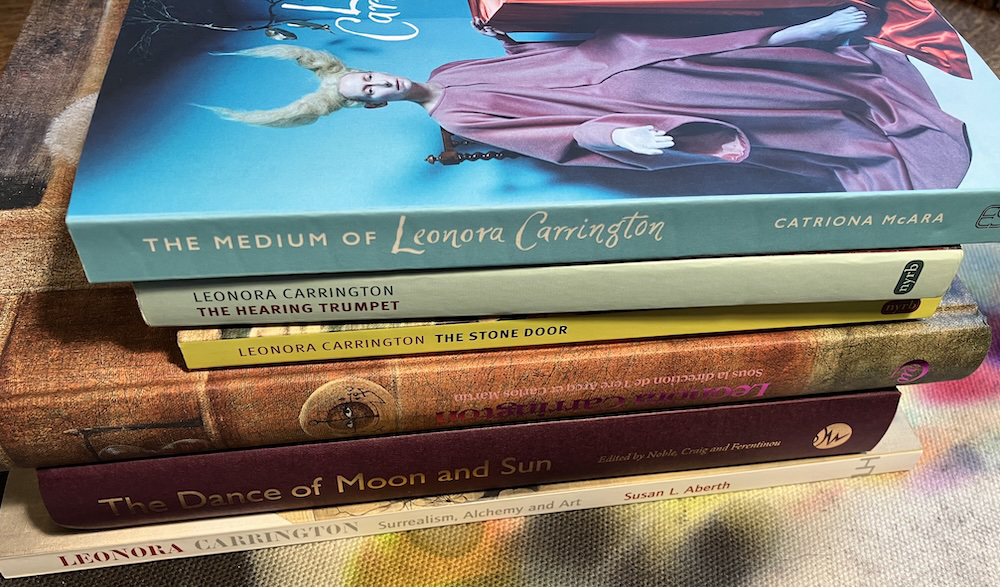
As I have been devouring books about Leonora Carrington and fellow artists, Remedios Varo and Ithell Colquhoun, I’ve relished the way pictures change how I read.
Carrington’s humanoid animals, fantastic beasts and extraterrestrial figures feel direct from fairy tales. I study each image, feeling like the folktale reference is on the tip of my tongue.
Of course, while highly influenced by myth and fairy tale, Carrington was crafting her own pantheon. As I dig into her history and the context of the war and cultural conditions she faced, I’m piecing together her unique archetypes and stories. Effort that is hugely enriched by the big, color-rich illustrations throughout these books.
On several evenings I’ve simply moved through the pages, reading nothing and just tracing the lines and figures, expressions and colors, letting the images inform in their own fashion.